
D
Deleted member 33033
Guest
Guest
9/12-25...hitting the opener to improve my odds.

| Unit 8 Elk |
| Overview: Approximately 95 percent of the Unit is public land administered by the US Forest Service. Ponderosa pine is the dominate vegetation type in the higher elevations above 6,000 feet with scattered gamble oak. The mixed conifer vegetation type is most common on Bill Williams Mountain and the pinyon/juniper vegetation type is found at lower elevations. Water sources consist of mainly man-made lakes, stock tanks and wildlife waters with the Verde River making up the southern boundary. The Unit is divided roughly north and south by the western extent of the Mogollon Rim with Sycamore Canyon on the east and the Welch Interchange along I-40 between Williams and Ashfork on the west. The lower elevation ranges from 3600-5500 feet with the higher elevation ranging from 6000 to 9200 feet. Most roads are on the Kaibab National Forest map. Access is fairly good with two-wheel-drive, but poor weather could cause hazardous conditions that would require four-wheel-drive operations. Current Information (updated 07/2013): The elk population appears to be stable to slightly decreasing. The 2012 survey resulted in 728 elk observed for ratios of 30 bulls (46% spikes) per 100 cows and 50 calves per 100 cows. The 2012 combined harvest for GMU 8 was 512 elk (169bulls/38spikes/283cows/ 22calves), for a 39% combined hunt success. With the declining bull to cow ratio over the past several years it has become more difficult to harvest a mature bull but with the high calf crop this year there should be a good number of spikes available next year. Further data can be found in the Game and Fish Department publication, “Hunt Arizona”. Areas: During the early seasons such as archery and muzzle loader the elk will be found throughout the Unit mainly above 6000 feet elevation. Good areas to check are Garland Prairie, McDougal Flat, Barney Flat, Round Mountain, Summit Mountain, McCracken Knoll, Jackass Knoll, Dutchkid Knoll, Boyd Knoll, Snyder Knoll and Bill Williams Mountain. Good access roads are Forest Service Roads 12, 105, 108, 110, 122, 139, 140, 141, and 354. During the late seasons such as general bull and general antlerless the elk may move to lower elevations if there is significant snow fall at the higher elevations. Check areas such as Sycamore Canyon, Sycamore Point, Tule Canyon, Lake Pocket, Deadman Pocket, Limestone Pocket, Lonesome Pocket Government Canyon, Secret Pocket, May Tank Canyon, May Tank Pocket, Bear Canyon, MC Canyon, Wild Steer Mesa, Tule Basin, Hells Pocket, Hells Canyon, Devils Pocket, Devils Canyon, Rabbit Bill, and Flat Mesa. If there is no snow the majority of elk will remain at higher elevations (see above). |
Where's Bruce,
Generally it seems to be a little stormier (wind, rain, snow) in northern AZ during El Niño years, but that does not always hold true. The time of year you will be there, you will most likely be experiencing the end of the monsoon season which should bring strong afternoon / evening rains and thunderstorms. Yes definitely hunt higher elevations. You will probably do best for cow elk in the 7000 ft level and above range. I would recommend staying out of P.J.'s and find some Pine and Oak mix or even better Pine, Fir and Aspen mix. You will most likely catch the beginning of the rut, so if you hear the bulls, you can follow your ears to the cows. If the elk follow the patterns that are typical in the surrounding units, they will move down to water and graze in the evening and work there way back up to their beds up in higher elevations in the morning. It wont take long for them to bed up if it is warm. Hunt the cuts on the shady side of mountains during the day. It will still be fairly warm as hunting temps go during the day, so be prepared for some in field meat care. If you do not butcher yourself there are good meat processors in Williams and Flagstaff. I recommend Coconino Game processing just outside of Flagstaff.
Thanks,
AZ Jim
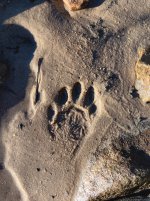
I wish google earth showed elevations on their map.


