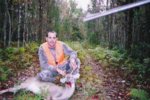
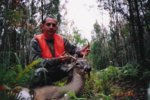
Hunting Photography 101. I need to make a disclaimer here that the folks in these photos had nothing to do with the poor quality. In most cases they were set up by me or one of my helpers. The context is not meant in any way to portray the hunters at fault for the quality. In every case these were my poorly done photos, which were lucky to be saved so that I could show how not to take hunting pictures. I have plenty of examples of how not to take pictures! I only hope to point out a few things I have seen and can help you avoid.
Several years ago I attended the Professional Hunters Academy in South Africa. Part of this grueling and involved training was how to take excellent photos of the hunters with their trophies. I had a good idea of this from all the years I worked in the big game hunting business and had won a couple hunting photo contests in the past. I suppose I felt a bit cocky about breezing through this portion of the training and exams. Well I had a lot to learn about this as well. Especially with manual adjusted 35mm SLR cameras! Today with digital cameras I can almost guarantee a safari or hunting trip full of perfect photos. With the digitals ability to look over the pictures before you pack off the animal, you know what you’re getting.
I’ll post a few photo’s of hunting trophies to show various problems and then I can post a few that have no problems so it can be easily seen how to make a few simple adjustments of the set-up. Lets make sure your hunting memories will not be ruined for the hurry and poor planning of the photo shots.
First I’ll list a few things that may seem obvious to the readers while going over this. However most of these obvious things are forgotten in the excitement of the moment, or because the folks involved are "trophy blind" by the event. We usually only realize it after the photos are developed by how bad they look.
1) No Blood! Use something to clean the blood off the animals fur and face. You really must do what ever needed to wipe all blood off the hair. I have removed my T shirt and used it or even baby wipes from my pack gear or truck. Look at both sides and choose the best one, or the least bloody side. Nobody wants to see some brutal murder scene, they expect to see a dead majestic animal, not mutilation.
2) No Tongues! For a long time I just pulled my knife out and removed the tongues. I was so tired of them flopping out during the picture. There was a point where one of my “co-worker” guides told one of my clients that the other guides called me "the tongue eater" around the camp. This sly and very clever hunting guide went on to tell the clients that whenever my hunters kill a bear the first thing I do is cut the tongue out for a snack later in the trip. He said I might try to hide the tongue in the bush so they should watch me closely. Sure enough I have a hunter kill a bear and we start setting up the spot for photos and the dog-gone tongue will not stay in the mouth. I whip out the knife and slice the bugger right out. The client sees me do this and he automatically believes the other guide and assumes I’m some real Alaskan psyco who eats bear tongues. It was several years before I realized this was happening! There is not much you can do worse in a hunting photo then to have the tongue hanging out.
3) No Splayed legs. Make sure you fold the fronts under nicely and the backs should be both posed properly and set in a way to hold the body up. The photos will show how to do this right. Photos of game should not appear as if the animal fell from the sky and landed with his legs broken and pointing in different directions
4) Sit behind the animal on your butt. Don’t kneel, or sit on the back of your heels, squat, or have any part of your body showing in front of the animal. Get behind it. Try to get as much of your body blocked by the animal as you can. If only your shoulders hands and head are showing you have it about perfect. Get down low ya gotta “limbo” under this critter to have it just about right!
5) Clear all grass and brush. This is the easiest part and the the one most often invisible to the photographer. Stomp, cut, rip or somehow get all grass out of the frame. This goes for branches, rocks, or anything that clutters the photo with “stuff”. I think this is the one thing that haunts me the most. For some reason when looking through a camera you cannot see the blades of grass right in front of you in the view. This is especially likely with a digitals Low resolution LCD display.
6) Lay down, relax! Get as low as possible which will also help hide much of the human body behind the trophy. So what,....it’s wet, snowy, raining, thorns, ….. buck-up! You don’t get a second chance to get good photos once the knives come out. The photos will last your whole life and a little dirt and discomfort is a small price to pay for this beauty shot.
7) Look over the background. Fences, the truck, power line poles, open back packs, your buddy peeing or whatever. Make sure you see beyond the subject and look at the background just as much as the trophy and hunter.
8) Angles play a very big roll. If you are up hill or down hill make sure you have the picture taken from below, not above. The difference is amazing in how big the animal will look. The gig difficulty with taking them up hill is being able to have the hunter behind the animal properly as the incline puts him above the animal, not behind.
9) Get the whole shot. You don’t take true trophy shots with only the head or half the body. You need the whole body in the photo. Specialty photos of different parts are OK, but for the real “glory shot” you need the whole body.
10) Hold the animal careful. Use as little as possible to hold the head up. Don’t grab the antler bases as if it’s a life and death situation. Never hold the ears, don’t use sticks to prop up the head. Try to pinch or grab a little handful of hair behind the neck to hold the face or head in the desired direction. The light must be right to show all antler/horn points. Use the skyline to see the points clearly or at least make it better then against a camouflage jacket or brushy back drop.
11) Lighting. Make sure the sun is at your back, never in your face. Obviously you will have your work cut out for you to position the animal with one bloody side, the up hill, the sun shine in your eyes, folding the legs just right, and the cactus right where you need to lay down for the photo. Yeah it’s a tough setup but 10 years from now this great photo of you is what you will have to remember this. On really sunny days make sure your shadow is not laying over the top of the hunter and his trophy when the picture is taken. You never seem to see or remember these things at the time of the picture!
I take several hundred digital and film photos each season of my hunters. I take a dozen shots of each animal, every angle and possible combination I can think of. Then I sort through them for the best I have to keep on CD files. In any case when a hunter loses his or does not have them come out good I have the insurance photos as back up. Here are some examples to see some of what I’m talking about.

Far to many shadows and the hunter should be sitting with his butt on the ground not on his heels

Half shots are at best OK but the whole body should be in the photo. Also splayed legs are really not in good taste. They should have been folded nicely under the deer. Never hold the ears like this either

This is a shot taken from above, again with the hunters body showing and not sitting down

Too much grass, much of the body missing, poor background hiding the horn tips. Tongue hanging out. This just happens to be the best kudu bull I have ever seen alive too!

This guy is huge, so special needs come into play which were never considered. This is a big bull but the way the photo is taken its in an awful position and the trophy shot is about worthless at displaying the real size of this bull.

This one is bad on several levels from the tongue to the hideous angle

The same bull as above with a much better setup. I can take or leave the gun in the photo. Just make sure it’s pointed in a safe direction. Speaking just for myself I like to remember what I used to harvest certain animals. So a gun or bow in the photo is sometimes important. It is also important for any archery records to have the bow in the photo or at least in “a” photo that you take for the application entry form.

Properly seated this Gemsbok looks huge, clean and in the best light, a great photo. It would be nice to have the hunter looking happy, but he may still be in his calm phase following the stress of the hunt?

Look carefully at these next two photos One was taken by a friend of mine while I was sharpening a knife. When I saw the photo I suggest a different setup for the second picture. What a difference just a little time and effort make. It’s the same guy and pig with no trick photography. Just a little care and knowledge on how to do this. In the first photo, that hog just looks like a little meat pig. In the second one he looks as if he could ride it! The second photo of the hog looks far bigger with some very simple adjustments that only took a few minutes.

A much better pose and layout to show this trophy.

Not a bad photo but look at what an angle can do to increase the size perspective between this photo and the next one.

This angle is far better. Oh yeah, I shot the cat in the neck with a 30/06, the back of the neck is one big hole. Still saved the trophy photo by careful photo planning, and using the headlights of the truck to see well enough for the layout.

Not quite right, it’s an OK photo but has a bit too much clutter in front of the bear. I should have done this from some other angle to get it just right. I don't like the dried wood and rotten log at all. Bears are not easy to move by yourself, and on a very steep hill like this its a risk that he could roll a long way if not careful!

This is just about right although I would like to have more of the body in the shot. I should be focused on the camera and showing that I am happy to have just taken a huge bull like this! I'm probably in that calm phase after the shot just as Keith was above! The tips of the antlers are seen clear and no blood on the elk. The legs are folded nicely under the elk and not splayed about like he fell from the sky.

although this is not a really bad photo, changing the angle just a bit would have eliminated the power line pole in the distance. I can fix this with Photo shop easily, or by cropping so it turns out to be an excellent photo after all.
A few reminders, take the photo as low to the ground as possible and get behind the animal to make yourself as small as possible so as not to detract form the trophy. Avoid animals hanging from ropes or chains. It's not a torture chamber we want in the photos. Never take photos of animals that are gutted or partly skinned. Animals in the back of a truck, or on and ATV are also not very pleasing to the majority of people. Never stand on or over a dead animal regardless of size. Even a huge dead elk loses most of it's mass when lying flat on the ground. It's important that they get propped up by using the legs as a "kickstand" to hold the body correctly. Then you can either hold the head up by the hair on medium big game or balance the nose on the ground with bigger animals.
We all know its dead, However we should try to keep it dignified and acceptable to those who may not be avid hunters and sportsman. I have albums full of trophy shots. Over the years I have seen the progression of disgusting bloody exhibits to some that are much more cleaned up with no tongues hanging out. This took time to become what I have evolved into now. It’s much easier for me having my hunters take several hundred trophies a year to practice on and set up for. I hope this will at least set the trend for what you should work towards. Mountian sides pose another whole set of challanges for hunting photos. Especially with bigger animals. Just take your time and try to roll and twist the animal to the best position you can get. I have taken several big animals alone and have had a struggle to get a good photo or just given up and take what I can. I have also tied them to stumps to help hold them into a position that would keep them from going down hill for the photos and the skinning chores. One final comment, try to take your time and relax. Sit and look over the kill site for a moment and determine the angles, how you can get lower, the sun, the skyline for the antlers or horns, What will the background be? Go slow and shoot lots of pictures. Ten years from now you will be glad you took the time to do it the best you could.
Several years ago I attended the Professional Hunters Academy in South Africa. Part of this grueling and involved training was how to take excellent photos of the hunters with their trophies. I had a good idea of this from all the years I worked in the big game hunting business and had won a couple hunting photo contests in the past. I suppose I felt a bit cocky about breezing through this portion of the training and exams. Well I had a lot to learn about this as well. Especially with manual adjusted 35mm SLR cameras! Today with digital cameras I can almost guarantee a safari or hunting trip full of perfect photos. With the digitals ability to look over the pictures before you pack off the animal, you know what you’re getting.
I’ll post a few photo’s of hunting trophies to show various problems and then I can post a few that have no problems so it can be easily seen how to make a few simple adjustments of the set-up. Lets make sure your hunting memories will not be ruined for the hurry and poor planning of the photo shots.
First I’ll list a few things that may seem obvious to the readers while going over this. However most of these obvious things are forgotten in the excitement of the moment, or because the folks involved are "trophy blind" by the event. We usually only realize it after the photos are developed by how bad they look.
1) No Blood! Use something to clean the blood off the animals fur and face. You really must do what ever needed to wipe all blood off the hair. I have removed my T shirt and used it or even baby wipes from my pack gear or truck. Look at both sides and choose the best one, or the least bloody side. Nobody wants to see some brutal murder scene, they expect to see a dead majestic animal, not mutilation.
2) No Tongues! For a long time I just pulled my knife out and removed the tongues. I was so tired of them flopping out during the picture. There was a point where one of my “co-worker” guides told one of my clients that the other guides called me "the tongue eater" around the camp. This sly and very clever hunting guide went on to tell the clients that whenever my hunters kill a bear the first thing I do is cut the tongue out for a snack later in the trip. He said I might try to hide the tongue in the bush so they should watch me closely. Sure enough I have a hunter kill a bear and we start setting up the spot for photos and the dog-gone tongue will not stay in the mouth. I whip out the knife and slice the bugger right out. The client sees me do this and he automatically believes the other guide and assumes I’m some real Alaskan psyco who eats bear tongues. It was several years before I realized this was happening! There is not much you can do worse in a hunting photo then to have the tongue hanging out.
3) No Splayed legs. Make sure you fold the fronts under nicely and the backs should be both posed properly and set in a way to hold the body up. The photos will show how to do this right. Photos of game should not appear as if the animal fell from the sky and landed with his legs broken and pointing in different directions
4) Sit behind the animal on your butt. Don’t kneel, or sit on the back of your heels, squat, or have any part of your body showing in front of the animal. Get behind it. Try to get as much of your body blocked by the animal as you can. If only your shoulders hands and head are showing you have it about perfect. Get down low ya gotta “limbo” under this critter to have it just about right!
5) Clear all grass and brush. This is the easiest part and the the one most often invisible to the photographer. Stomp, cut, rip or somehow get all grass out of the frame. This goes for branches, rocks, or anything that clutters the photo with “stuff”. I think this is the one thing that haunts me the most. For some reason when looking through a camera you cannot see the blades of grass right in front of you in the view. This is especially likely with a digitals Low resolution LCD display.
6) Lay down, relax! Get as low as possible which will also help hide much of the human body behind the trophy. So what,....it’s wet, snowy, raining, thorns, ….. buck-up! You don’t get a second chance to get good photos once the knives come out. The photos will last your whole life and a little dirt and discomfort is a small price to pay for this beauty shot.
7) Look over the background. Fences, the truck, power line poles, open back packs, your buddy peeing or whatever. Make sure you see beyond the subject and look at the background just as much as the trophy and hunter.
8) Angles play a very big roll. If you are up hill or down hill make sure you have the picture taken from below, not above. The difference is amazing in how big the animal will look. The gig difficulty with taking them up hill is being able to have the hunter behind the animal properly as the incline puts him above the animal, not behind.
9) Get the whole shot. You don’t take true trophy shots with only the head or half the body. You need the whole body in the photo. Specialty photos of different parts are OK, but for the real “glory shot” you need the whole body.
10) Hold the animal careful. Use as little as possible to hold the head up. Don’t grab the antler bases as if it’s a life and death situation. Never hold the ears, don’t use sticks to prop up the head. Try to pinch or grab a little handful of hair behind the neck to hold the face or head in the desired direction. The light must be right to show all antler/horn points. Use the skyline to see the points clearly or at least make it better then against a camouflage jacket or brushy back drop.
11) Lighting. Make sure the sun is at your back, never in your face. Obviously you will have your work cut out for you to position the animal with one bloody side, the up hill, the sun shine in your eyes, folding the legs just right, and the cactus right where you need to lay down for the photo. Yeah it’s a tough setup but 10 years from now this great photo of you is what you will have to remember this. On really sunny days make sure your shadow is not laying over the top of the hunter and his trophy when the picture is taken. You never seem to see or remember these things at the time of the picture!
I take several hundred digital and film photos each season of my hunters. I take a dozen shots of each animal, every angle and possible combination I can think of. Then I sort through them for the best I have to keep on CD files. In any case when a hunter loses his or does not have them come out good I have the insurance photos as back up. Here are some examples to see some of what I’m talking about.
Far to many shadows and the hunter should be sitting with his butt on the ground not on his heels
Half shots are at best OK but the whole body should be in the photo. Also splayed legs are really not in good taste. They should have been folded nicely under the deer. Never hold the ears like this either
This is a shot taken from above, again with the hunters body showing and not sitting down
Too much grass, much of the body missing, poor background hiding the horn tips. Tongue hanging out. This just happens to be the best kudu bull I have ever seen alive too!
This guy is huge, so special needs come into play which were never considered. This is a big bull but the way the photo is taken its in an awful position and the trophy shot is about worthless at displaying the real size of this bull.
This one is bad on several levels from the tongue to the hideous angle
The same bull as above with a much better setup. I can take or leave the gun in the photo. Just make sure it’s pointed in a safe direction. Speaking just for myself I like to remember what I used to harvest certain animals. So a gun or bow in the photo is sometimes important. It is also important for any archery records to have the bow in the photo or at least in “a” photo that you take for the application entry form.
Properly seated this Gemsbok looks huge, clean and in the best light, a great photo. It would be nice to have the hunter looking happy, but he may still be in his calm phase following the stress of the hunt?
Look carefully at these next two photos One was taken by a friend of mine while I was sharpening a knife. When I saw the photo I suggest a different setup for the second picture. What a difference just a little time and effort make. It’s the same guy and pig with no trick photography. Just a little care and knowledge on how to do this. In the first photo, that hog just looks like a little meat pig. In the second one he looks as if he could ride it! The second photo of the hog looks far bigger with some very simple adjustments that only took a few minutes.
A much better pose and layout to show this trophy.
Not a bad photo but look at what an angle can do to increase the size perspective between this photo and the next one.
This angle is far better. Oh yeah, I shot the cat in the neck with a 30/06, the back of the neck is one big hole. Still saved the trophy photo by careful photo planning, and using the headlights of the truck to see well enough for the layout.
Not quite right, it’s an OK photo but has a bit too much clutter in front of the bear. I should have done this from some other angle to get it just right. I don't like the dried wood and rotten log at all. Bears are not easy to move by yourself, and on a very steep hill like this its a risk that he could roll a long way if not careful!
This is just about right although I would like to have more of the body in the shot. I should be focused on the camera and showing that I am happy to have just taken a huge bull like this! I'm probably in that calm phase after the shot just as Keith was above! The tips of the antlers are seen clear and no blood on the elk. The legs are folded nicely under the elk and not splayed about like he fell from the sky.
although this is not a really bad photo, changing the angle just a bit would have eliminated the power line pole in the distance. I can fix this with Photo shop easily, or by cropping so it turns out to be an excellent photo after all.
A few reminders, take the photo as low to the ground as possible and get behind the animal to make yourself as small as possible so as not to detract form the trophy. Avoid animals hanging from ropes or chains. It's not a torture chamber we want in the photos. Never take photos of animals that are gutted or partly skinned. Animals in the back of a truck, or on and ATV are also not very pleasing to the majority of people. Never stand on or over a dead animal regardless of size. Even a huge dead elk loses most of it's mass when lying flat on the ground. It's important that they get propped up by using the legs as a "kickstand" to hold the body correctly. Then you can either hold the head up by the hair on medium big game or balance the nose on the ground with bigger animals.
We all know its dead, However we should try to keep it dignified and acceptable to those who may not be avid hunters and sportsman. I have albums full of trophy shots. Over the years I have seen the progression of disgusting bloody exhibits to some that are much more cleaned up with no tongues hanging out. This took time to become what I have evolved into now. It’s much easier for me having my hunters take several hundred trophies a year to practice on and set up for. I hope this will at least set the trend for what you should work towards. Mountian sides pose another whole set of challanges for hunting photos. Especially with bigger animals. Just take your time and try to roll and twist the animal to the best position you can get. I have taken several big animals alone and have had a struggle to get a good photo or just given up and take what I can. I have also tied them to stumps to help hold them into a position that would keep them from going down hill for the photos and the skinning chores. One final comment, try to take your time and relax. Sit and look over the kill site for a moment and determine the angles, how you can get lower, the sun, the skyline for the antlers or horns, What will the background be? Go slow and shoot lots of pictures. Ten years from now you will be glad you took the time to do it the best you could.